October 23, 2026
Jamaican Food Recipes Inspired by Island Tradition
By @deanmpmi166
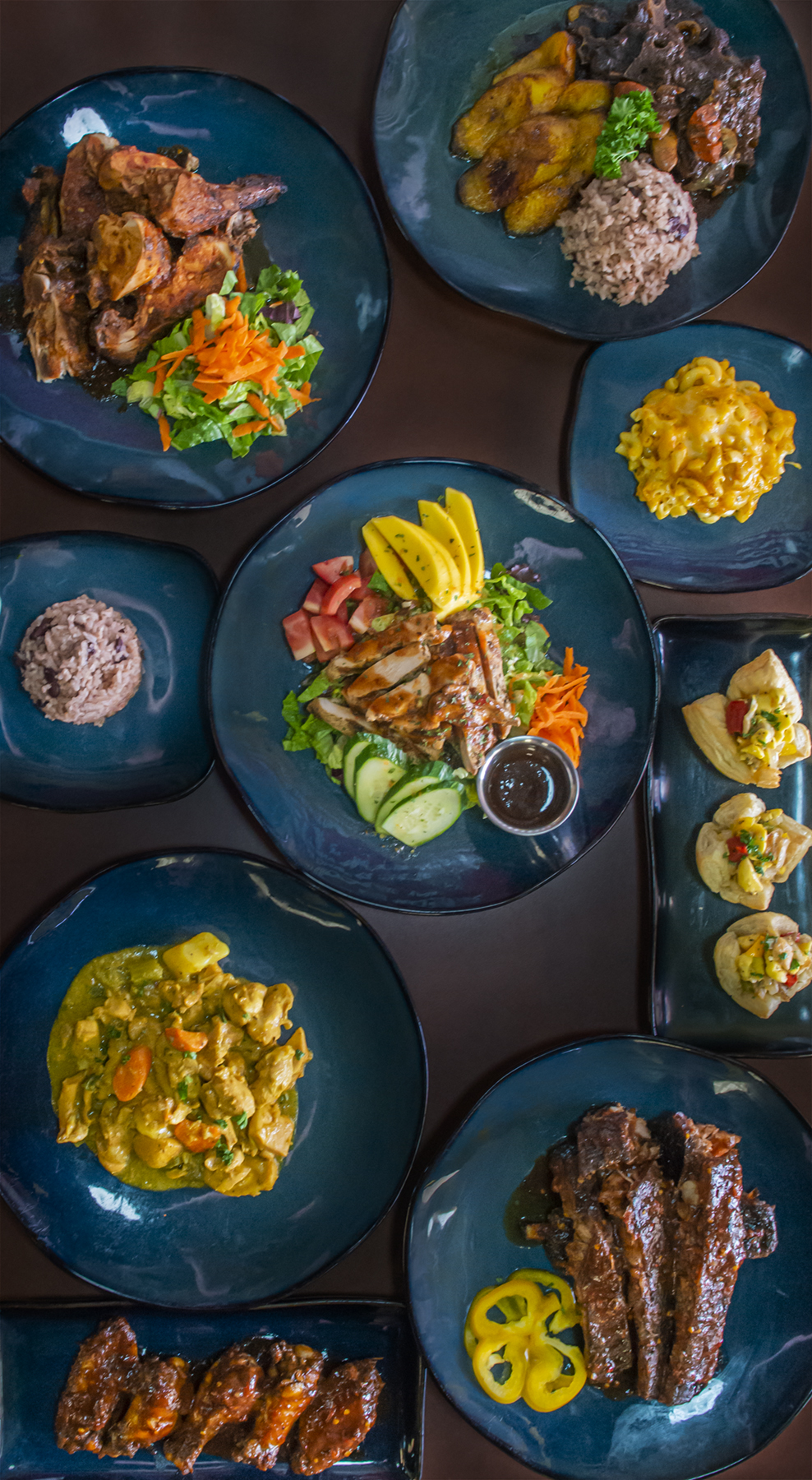
Jamaican food carries memory in a way few cuisines do. You taste history in a spoonful of pepper pot, migration in a plate of curry goat, and family habit in something as simple as boiled green banana served beside saltfish. The food is bold, yes, but the boldness is not random. It comes from preservation, thrift, abundance, hardship, trade, and celebration all at once. Seasoning is rarely timid, yet good Jamaican cooking is not just about heat. It is about depth, layering, and timing.
Spend enough time around a Jamaican kitchen and a pattern emerges. There is reverence for ingredients that can stand up to fire and spice. There is patience for marinating, simmering, and stewing. There is an instinct for balancing rich proteins with bright acids, starchy sides, and the fresh bite of scallion, thyme, or Scotch bonnet. The recipes people remember most are often the ones that seem ordinary on paper: rice and peas, brown stew chicken, fried plantain, callaloo. Done properly, they carry the flavor of home.
What follows is not a restaurant roundup or a novelty version of island cooking. These are practical, grounded recipes inspired by Jamaican tradition, written for the home kitchen and shaped by the habits that make the food taste authentic. If you have never cooked Jamaican food before, the first lesson is simple. Season more confidently than you think, but season with purpose.
The backbone of flavor in a Jamaican kitchen
Before getting into specific recipes, it helps to understand why Jamaican food tastes the way it does. A few ingredients show up again and again because they do the heavy lifting. Fresh thyme brings a woody, almost floral depth. Scallion gives a greener, cleaner onion flavor than yellow onions alone. Garlic is essential, but it rarely works by itself. It is part of a chorus. Allspice, often called pimento in Jamaica, is one of the most distinctive notes in the cuisine. It smells warm and sweet, but in savory dishes it behaves like a bridge between spice, smoke, and meat.
Then there is Scotch bonnet pepper. It deserves respect. One pepper can perfume an entire pot, and if sliced open or crushed it can make that same pot fiercely hot. Many cooks use it whole when they want aroma without overwhelming heat. That small judgment call is one of the things that separates a balanced dish from one that feels punishing.
Browning also matters more than many people realize. In brown stew, in oxtail, in certain bean dishes, color and flavor come from controlled caramelization. Some cooks use bottled browning sauce, while others rely on well-browned sugar or dark searing. Both approaches have their place. What matters is avoiding bitterness. The line between deep mahogany flavor and scorched harshness is thin.
Jerk chicken that tastes like it belongs near pimento wood smoke
Jerk is probably the most internationally recognized expression of Jamaican food, and it is also one of the most misunderstood. Too many versions treat it like a generic spicy barbecue rub. Traditional jerk is greener, fresher, and more aromatic than that. It should hit you with scallion, thyme, allspice, garlic, ginger, and Scotch bonnet before the smoke settles in.
For a home kitchen version, bone-in chicken thighs and drumsticks work best. They stay juicy, take seasoning well, and can handle high heat without drying out. The marinade should be loose enough to coat every crevice. Blend scallions, fresh thyme leaves, garlic, ginger, onion, allspice, black pepper, cinnamon, a little nutmeg, brown sugar, soy sauce, salt, lime juice, neutral oil, and one or two Scotch bonnets depending on your tolerance. Some cooks add vinegar. Some do not. I use a little if the chicken is especially fatty, because the acid brightens the finish.
Rub the marinade under the skin where possible and let the chicken sit overnight. Four hours is acceptable, but overnight is where the flavor changes from surface level to deeply seasoned. Grill it if you can. Char is not optional for jerk, even if that char comes from a hot oven broiler for the last few minutes. If using an oven, roast at a fairly high temperature until the skin darkens and the edges begin to catch.
The common mistake is overloading the marinade with sugar, which causes burning before the meat is cooked. Another is skipping enough salt. Jerk should be vivid and assertive, not merely hot. Serve it with festival, hard dough bread, or rice and peas, and if you want a proper contrast, add a little cabbage slaw dressed with lime.
Brown stew chicken, the weeknight dish with Sunday depth
If jerk is the showpiece, brown stew chicken is often the dish that quietly wins people over. It has all the hallmarks of Jamaican home cooking: strong seasoning, careful browning, and a gravy that begs for rice. It also teaches one of the most useful principles in the cuisine, which is that meat should be seasoned before it ever meets the pan.
The chicken is traditionally marinated with onion, scallion, thyme, garlic, black pepper, Scotch bonnet, and salt. Some cooks add bell pepper and tomato. Some use a little soy sauce or Worcestershire for color and depth. After marinating, the pieces are patted relatively dry and browned in oil. This step matters. If the pot is crowded or the chicken is wet, you get pale steaming instead of the flavor base the dish needs.
Once the chicken is browned, softened vegetables go into the same pot, followed by tomato, stock or water, and the reserved marinade. The gravy should not be thin. It wants body, but not the heavy thickness of flour-based stews. Simmer until the chicken is tender and the sauce clings lightly to the spoon.
Brown stew teaches restraint with pepper. A whole Scotch bonnet can simmer in the pot, infusing warmth and fruitiness, then be removed. Pierce it accidentally and the dish changes character. There is no shame in lifting it out early if the heat begins to dominate. Jamaican cooks do this all the time. Good judgment in the moment is part of the tradition.
Rice and peas, which is neither plain nor optional
A plate of Jamaican food often stands or falls on the quality of the rice and peas beside it. The dish is more than a side. It is a quiet anchor, fragrant with thyme, scallion, coconut milk, and allspice. In Jamaica, the “peas” are usually kidney beans or gungo peas depending on the dish and the season. The point is not strict terminology. The point is that the rice is cooked with legumes and seasoned broth, not simply mixed together at the end.
The best version starts with dried beans, cooked until tender in fresh water. Canned beans can work in a pinch, but they do not contribute the same liquor to the pot. Coconut milk is added with thyme, scallion, garlic, onion, and whole allspice berries. Some cooks include a whole Scotch bonnet for aroma. Long-grain rice is stirred in once the liquid is seasoned properly. That part is crucial. Taste the pot before the rice goes in. If the broth tastes flat, the finished rice will definitely taste flat.
Texture is where many home cooks struggle. Too much liquid gives you soft, clumped rice. Too little leaves the center undercooked. A good rule is to watch the rice once the liquid level drops below the grains. Lower the heat, cover tightly, and let trapped steam finish the work. Resist constant stirring. Jamaican rice and peas should be separate and fluffy, but not dry.
With roast chicken, curry goat, escovitch fish, or stew peas, this rice acts like a sponge for gravy and pepper. It makes every sauce taste more complete.
Ackee and saltfish, handled with respect
No discussion of Jamaican food feels complete without ackee and saltfish. It is the national dish, but that label can make it sound ceremonial or intimidating. In practice, it is deeply domestic. When done well, it is savory, buttery, and bright, with the ackee gently holding its shape while salt cod brings the backbone.
Ackee has to be approached carefully. Fresh ackee must be fully ripe and properly prepared, which is why many cooks outside Jamaica sensibly use canned ackee. That is not a shortcut born of laziness. It is often the safest and most consistent route. The canned fruit should be drained and handled gently to avoid breaking it into mush.
Saltfish, usually salted cod, needs soaking and simmering to remove excess salt. How much depends on the brand and thickness. Taste a piece after soaking. If it still tastes aggressively salty, give it more time. Flake it, then sauté with onion, scallion, garlic, thyme, tomato, and a little Scotch bonnet. Only after those flavors settle together should the ackee be folded in. Stir too much and you lose the delicate curds that make the dish so distinctive.
The texture is what surprises first-time eaters. Ackee is soft and rich, almost like scrambled egg in appearance, though the flavor is more subtle and nutty. Served with fried dumplings, roasted breadfruit, or boiled provisions, the dish becomes a full meal rooted in everyday island life.
Curry goat, slow cooking with patience and nerve
Jamaican curry goat has a flavor profile that tells a different story from jerk or brown stew. Here you feel Indian influence transformed through local ingredients and technique. The curry powder used in Jamaican kitchens tends to be more toasted and assertive than many supermarket blends, often with turmeric, coriander, fenugreek, cumin, and allspice in the background. The aroma should be warm and earthy, never dusty.
Goat needs time. That is the first truth of the dish. If you rush it, the meat stays tight. If you give it a proper long simmer, it becomes tender while still keeping its character. Marinade the pieces with curry powder, garlic, ginger, scallion, https://maps.app.goo.gl/LnpmYamy5BRY1Cs57 thyme, onion, black pepper, Scotch bonnet, and salt. Some cooks add a little all-purpose seasoning. Used sparingly, it can help. Used heavily, it muddies the flavor.
A classic technique is “burning” the curry, which really means frying the curry powder briefly in hot oil before adding the meat. This wakes up the spice and changes the entire dish. The meat is then seared, covered with water or stock, and simmered low until almost tender. Potatoes often go in later, not because they are traditional everywhere, but because they absorb the gravy beautifully and stretch the pot for a crowd.
The judgment call comes at the end. Curry goat should be saucy, but not soupy. The gravy needs enough reduction to cling to rice. If the meat is tender before the sauce has thickened, uncover the pot and let it reduce. If the sauce is ready before the meat, add a splash of water and wait. This is not difficult cooking, but it rewards attention.
Escovitch fish, where sharpness is the whole point
Escovitch fish is a lesson in contrast. Fried fish alone can feel rich and one-note. Escovitch fixes that with pickled vegetables and vinegar heat. The fish is usually snapper, though any firm whole fish can work if it can handle frying without falling apart.
The fish is cleaned, scored, and seasoned lightly, often with salt, black pepper, and a touch of garlic. It is then dusted, sometimes simply with flour, and fried until the skin turns deeply crisp. Separately, onion, carrot, bell pepper, and Scotch bonnet are quickly softened in a vinegar mixture with pimento berries. That topping should keep some crunch. If it goes limp, the dish loses tension.
This is not a shy preparation. The vinegar should announce itself. It cuts through the fried exterior and brightens the sweet fish underneath. Served with bammy or festival, escovitch makes immediate sense. The bread or cassava cake absorbs some of the sharp dressing and rounds out the plate.
People often ask whether the vegetables can be piled onto the fish hours ahead. They can, but the skin softens. If crispness matters, hold the topping separately and spoon it over just before serving.
Callaloo and the art of cooking greens without dulling them
Callaloo, whether made with amaranth greens or adapted with spinach where necessary, represents another side of Jamaican cooking. Not every dish is dark, heavy, or slow-simmered. Good callaloo is vibrant and savory, with enough moisture to feel lush but not enough to feel stewed into submission.
Traditional versions often include onion, scallion, thyme, garlic, tomato, Scotch bonnet, and sometimes okra. Saltfish can be added, though plain callaloo has its own integrity. The greens cook down quickly, which means the aromatics should be ready first. Wilt the leaves just until tender. Overcooking wipes out both color and freshness.
This is one of those dishes where ingredient substitution is common outside Jamaica and sometimes entirely reasonable. If true callaloo leaves are unavailable, mature spinach mixed with a little chopped kale can produce better flavor and body than baby spinach alone. The important thing is to avoid a watery result. Greens release liquid, and if the pan is too crowded they steam rather than sauté.
Serve callaloo at breakfast with fried plantain and dumplings, or beside roasted meats at dinner. It adapts well because it brings freshness to richer plates.
Fried plantain, simple but easy to get wrong
Plantain looks straightforward, and that is exactly why people underestimate it. The difference between memorable fried plantain and merely edible fried plantain usually comes down to ripeness and heat control. The fruit should be deeply yellow with black patches if you want the classic sweet, caramelized slices. If it is mostly yellow and still firm, you will get a starchier result. That can be pleasant, but it is a different side entirely.
Slice on a diagonal for more surface area. Fry in a moderate layer of oil, not aggressively hot oil, so the sugars can caramelize before the exterior darkens too far. Crowding the pan drops the temperature and leads to oily slices. Let the plantain take on a rich amber color, then drain briefly and serve hot.
It appears on countless Jamaican plates because it does a quiet but valuable job. It softens heat, balances salt, and gives contrast to stews and savory breakfasts. A plate of ackee and saltfish or callaloo often feels incomplete without it.
A few practical notes for cooking Jamaican food outside Jamaica
Ingredients travel unevenly, and not every kitchen has access to a Caribbean grocery. That should not stop anyone from cooking this food well. It does mean knowing where substitutions are harmless and where they weaken the dish.
Scallion can stand in for some of the character of Jamaican escallion, especially if used generously. Fresh thyme is nonnegotiable when a recipe calls for it. Dried thyme has uses, but it does not deliver the same perfume. Scotch bonnet is best replaced by habanero if necessary, since the fruitiness is similar even if the flavor is not identical. For allspice, whole berries are often more useful than ground because they infuse broths and sauces without turning muddy.
Canned coconut milk is entirely acceptable in rice and peas, rundown, or curry, but shake the can well or stir thoroughly if the fat has separated. Salt cod quality varies dramatically, so taste after soaking rather than trusting a fixed time. As for bottled jerk marinades and curry pastes, some are decent time-savers, though nearly all benefit from extra fresh scallion, thyme, garlic, and pepper.
The broader point is this: Jamaican food is not fragile, but it does depend on confident seasoning and a sense of balance. You can adapt around supply problems. What you cannot do is cook timidly and expect vivid results.
Why these dishes endure
Island tradition is not a museum piece. It survives because the food still works, day after day, on real tables. Jamaican recipes endure because they are practical as well as expressive. They know how to stretch a pot, feed a crowd, revive leftovers, and turn strong flavors into comfort rather than excess.
There is also a remarkable range inside the cuisine. One meal may center smoke and fire. Another leans on brine, softness, and greens. Another speaks through curry, coconut, or vinegar. Yet all of it feels recognizably connected by seasoning logic and by an instinct for contrast. Rich with bright. Heat with sweetness. Slow-cooked with fresh-cut. Crisp with soft.
That is the part worth carrying into your own kitchen. Learn the dishes, certainly, but also learn the habits behind them. Marinate longer. Taste before the rice goes in. Let the pepper perfume the pot instead of dominating it. Brown the meat properly. Give tough cuts the extra half hour they ask for. Those decisions are where Jamaican food becomes more than a recipe. They are how island tradition keeps tasting alive.
Reggae Pot Jamaican Grill
7562 S University Blvd C, Centennial, CO 80122
(303) 997-5623
FAQ About jamaican food
What is the best Jamaican food to try in Centennial?
The best choice depends on your preferences. Reggae Pot Jamaican Grill offers jerk chicken, curry goat, oxtail, and escovitch snapper, along with sides such as rice and peas and fried plantains. Ask the restaurant about current availability and spice levels before ordering.
Is Jamaican food very spicy in Centennial?
Heat varies by dish and preparation. Jerk dishes can be hot, while some stews and sides are milder. Tell the restaurant your preferred heat level and ask which options suit you.
What is typically on a Jamaican menu?
Common choices include jerk chicken, curries, oxtail, fish, patties, rice and peas, and plantains. Reggae Pot also lists ackee and saltfish and vegetable dishes. Menus and availability can change, so confirm your choices when ordering.
❧